
Latest Products


Contact Us
- Xinghuo RD No.87, Xi'an City, Shaanxi province, China, 710003
- info@tcl-ingredients.com
- +31 6 20764766 (whatsapp)

Caffeine Anhydrous Wholesale Supplier
Caffeine anhydrous essentially caffeine extracted from the same plants as regular caffeine but with an added twist.
Description
TCL Ingredients Co., Ltd. Is a national high-tech biotechnology company specializing in the processing, sales and quality control of plant extracts. We are a ISO, Kosher, Halal certified company, who is dedicated to the identification, research and development, production of monomer plant extract, fine chemicals and API with own factory.

Our Advantages
01
Rich Experience
We are a factory with more than 10 years of production experience.In the course of 10 years, we have been following the market-leading production technology and customer-oriented service attitude, serving and cooperating with more than 400 companies from different countries in the world.
02
R&D Capability
With strong R&D capabilities and advanced production technology, TCL ingredients continues to make innovations with herbal extracts that service the Pharmaceutical, Nutraceutical and Cosmetic industries.
03
High Quality Products
Our company has leading technology research,development center, a sound quality management system, advanced production equipment and scientific testing institutions which ensure the high quality of our products.
04
Custom Service
Our company owns a team of top-notch, multi-disciplinary and highly productive staff, and can customize the health products according to clients' detailed requirements. Our company and our products enjoy a good reputation in the world market of plant extracts for many years by superior quality, reasonable price, prompt shipment and circumspect service.
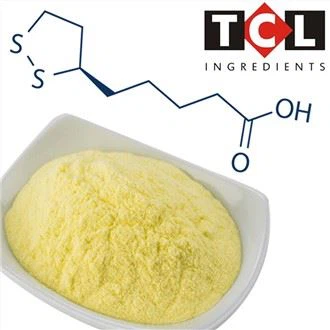
Super alpha lipoic acid is a kind of vitamin-like substance that can eliminate free radicals that accelerate aging and cause disease. Lipoic acid is an enzyme existing in mitochondria.It is absorbed in the body through intestinal tract and then enters cells.Reach any cell site, provide comprehensive human performance, is the only both fat soluble and water soluble universal live oxygen agent.
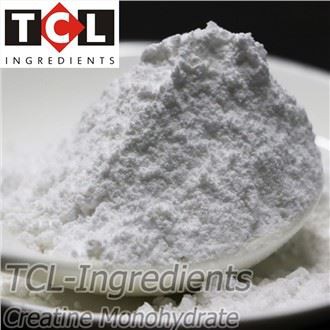
Creatine Monohydrate Pure Powder
Creatine monohydrate pure powder has been hailed as one of the most popular and effective nutritional supplements available, so high that it ranks alongside protein products as the "bestselling supplement."It is rated as a "must use" product for bodybuilders and is widely used by athletes in other sports,such as football and basketball players, who want to improve their energy levels and strength. A large number of studies have confirmed that it is safe to consume. There is far more safety information for this form of the supplement than any other form.
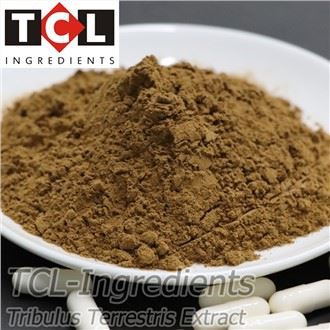
Tribulus Terrestris Extract Powder
Tribulus terrestris extract powder is an ancient medicinal ingredient currently used in the formulation of modern dietary supplements for libido and testosterone enhancement. Compounds from Tribulus terrestris extract, including saponins and proto-diosgenin, also improve overall immunity and energy.
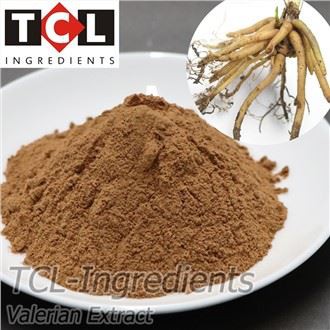
Valerian extract powder is extracted from the root of Valerian,which is native to parts of Asia and Europe, and is cultivated in North America.Valerenic acids are mainly derived from a kind of Valerian Extract. Its stems and leaves are used as food by the larvae of some lepidopteran species. The rhizomes and roots of valerian are used for medicinal purposes, which can dispel wind ,relieve spasm,treat bruises and injuries.

Nettle extract powder is obtained by physically processing nettle to be native to Europe, much of temperate Asia and western North Africa. Nettle extract mainly contains flavonoids, lignans, steroids, lipids, organic acids, proteins, tannins, chlorophyll, alkaloids and polysaccharides. With anti-rheumatism, hypoglycemia, treatment of benign prostatic hypertrophy and other biological activities.

Saw palmetto extract powder is the processing of saw palmetto into powder by physical methods. Saw Palmetto Extract is made of saw palmetto oil extracted from saw palmetto fruit as raw material, and β-cyclodextrin as auxiliary material. The saw palmetto oil is converted into powder by oil encapsulation process.

5htp powder can improve the control of appetite and avoid overeating,also can be applied to the control of obesity appetite.It can significantly improve the mood of patients with depression. In addition, it can also improve sleep quality and improve mild insomnia. 5htp powder has been found to affect sleep and the body's sleep-wake cycle in many ways. For example, the body needs serotonin to produce the sleep hormone melatonin in response to the presence of darkness.

Boswellia Serrata Extract Powder
Boswellia Serrata Extract Powder is a yellow-white powdery fluid extract product of the resin of the olive plant Boswellia serrata. Gum resin, mostly small papillary, teardrop-like particles or irregular small pieces, sometimes sticking together into clumps. translucent. There is a layer of white dust on the surface. After the dust is removed, the surface is still dull and brittle, and the section is waxy and dull. Gas slightly aromatic, slightly bitter taste.

Rhodiola rosea extract powder is extracted from a species of herb that grows in the cold mountainous regions of Europe and Asia. Its scientific name is Rhodiola rosea,which is also known as Arctic root or golden root. Its Roots are considered adaptogens, which means that they help your body adapt to stress when consumed. The root contains over 140 active ingredients, two of the most potent being rosavin and salidroside.It is widely used today as a dietary supplement with many health benefits.
Introduction to Caffeine Anhydrous
Caffeine anhydrous essentially caffeine extracted from the same plants as regular caffeine but with an added twist. All excess chemical components and water are meticulously filtered in the lab, resulting in a purer and more potent form of caffeine. It is becoming more popular as a supplement for weight loss and improved athletic performance. It is also present in food products such as caffeinated gum and energy bars.
Benefits of Caffeine Anhydrous
No Fluid
If you want the benefits of a pre-workout caffeine boost, but without the volume of fluid that normally comes with it (through drinking coffee or energy drinks), then opting for caffeine anhydrous in the form of pills would be a great alternative.
This would reduce bathroom breaks during training or competition, and potentially ease any exercise-associated GI discomfort as a result.
Less Gi Side Effects
Caffeine anhydrous wouldn't disrupt the GI tract as much as other forms of caffeine, such as coffee and energy drinks, mainly due to a lack of acidic compounds.
This is good news yet again for the exercising individuals among us who typically suffer from GI discomfort from caffeine intake (particularly coffee!), and are seeking improvements in athletic performance.
Easy To Dose
One of the greatest benefits of caffeine anhydrous is the ability to dose much more accurately. The problem with pre-workout powders, coffee, energy drinks, and any other fluid-based caffeine source, is the inaccuracy of the dose.
Caffeine pills, gum, or bars containing caffeine anhydrous would provide you with a concentrated, accurate dose due to the purity and potency.
This way, it makes it more simple to meet the recommended intake of caffeine for sports performance, or any other benefit you may be seeking.
Convenient
Not to mention the convenience of caffeine anhydrous. Carrying around your caffeine in the form of coffee, an energy drink, or big tubs (particularly athletes) can be inconvenient at the best of times.
Pills, chewing gum, or bars containing caffeine anhydrous are simply easier and more convenient forms of caffeine that don't require mixing or drinking.

Extraction
The caffeine is extracted from coffee beans using a solvent like ethyl acetate or supercritical carbon dioxide. This process separates the caffeine from other compounds in the beans.
Purification
The extracted caffeine is purified to remove any remaining impurities or unwanted substances.
Dehydration
The purified caffeine undergoes a dehydration process to eliminate water content, resulting in the anhydrous form. This dehydration ensures that the final product is highly concentrated and easily soluble.
Crystallization
The caffeine anhydrous is then crystallized into a fine powder or solid form, ready for use in various products.
Safety Guidelines For Caffeine Anhydrous
Always Check With Your Doctor Prior To Beginning Any Supplement.
Your doctor will have a clear picture of your current medical conditions and medications and will be able to tell you if there are reasons you should limit or avoid caffeine anhydrous.
Avoid Pure Powdered Caffeine.
The FDA recommends avoidance due to the ease of accidental overdose. A single teaspoon of pure powdered anhydrous caffeine is enough to cause potentially fatal consequences, as it's equivalent to 2700 milligrams of caffeine. To put that in perspective, you'd have to drink 28 cups of coffee, 68 cups of black tea, or 68 cans of cola to ingest the same amount of caffeine.
Choose Other Forms And Understand The Dosage.
Selecting another form of caffeine anhydrous, like capsules or as an ingredient in a pre-workout food or supplement, should make it easier to stay within the safety guidelines. Take some time to check the bottles to make sure you understand just how much caffeine is in each pill.
Look For Reputable Manufacturers.
Good manufacturers put practices in place to avoid contamination with unwanted ingredients and prioritize supplement safety. Look for NSF or UL certifications on the bottles, both of which are independent third-party organizations that review supplement manufacturing processes.
FAQ
Q: What is caffeine anhydrous?
When the water is removed, what remains is a white crystalline powder known as caffeine anhydrous.
Dehydrated caffeine works the same was as caffeine from a natural source. When consumed, this stimulant impersonates adenosine, a neurotransmitter. When this chemical binds to certain receptors in the brain, it creates symptoms of grogginess. Caffeine binds to some of those same receptors and works as an antagonist to adenosine; caffeine prevents too much adenosine from binding, which keeps you feeling awake for longer.
Q: What are the types of caffeine anhydrous?
In addition to standalone powders and pills, caffeine anhydrous is frequently used as an ingredient in various supplement categories. For example, you may find it in a pre-workout powder or in pills that claim to burn fat. Certain food products also contain added caffeine anhydrous, such as caffeinated energy bars or chewing gum.
When you're looking at supplement labels, you might run across forms of caffeine anhydrous that are combined with other chemicals. These include:
Caffeine Citrate: This is a combination of caffeine anhydrous and two other chemicals-citric acid monohydrate and sodium citrate dihydrate. Caffeine makes up about half of the combination. Caffeine citrate is more commonly used for medical purposes rather than supplementation. In particular, it's used as a treatment for a breathing problem among premature infants.
Caffeine Pterostilbene Co-Crystal: This is a combination of caffeine and pterostilbene, an antioxidant found in blueberries. It may be manufactured into several forms like capsules, tablets, or chews. Manufacturers claim that this form of caffeine creates longer-lasting energy, but this has not been proven in scientific studies.
Dicaffeine Malate: This is made of two caffeine molecules attached to a molecule of malic acid. Malic acid is an organic acid that is found in many foods you eat, like apples. Manufacturers of this ingredient claim that combining caffeine with malic acid prevents stomach upset, but this has not been proven.
Q: What are the differences between caffeine and caffeine anhydrous?
Caffeine-with no other descriptors-is the normal, natural form.
It's the kind of thing you get from coffee or tea, occurring naturally at the levels and concentrations that we're used to.
Normal caffeine is bound to water, often found in the extracts of plants, and is naturally evolved as a pesticide. Small bugs that eat the leaves, roots, and beans of coffee plants-for example-will die from the stimulant effects.
Caffeine is primarily found in tea and coffee but also cacao. It's especially useful in metabolism, where it increases overall output but specifically improves anaerobic capacity and produces energy under fatigue.
Traditional forms of caffeine tend to be slower absorbing and have a slightly more sustainable effect over time.
There's a significant non-active weight to naturally occurring caffeine and its sources. The binding to water helps support healthy digestion while it also exists in the context of a natural nutrient matrix-such as in tea where it is combined with theanine, a powerful synergist.
These reduce the risk of side effects, especially theanine, and especially the digestive effects. Natural caffeine can obviously cause acid reflux and other concerns, but risks are lower, and the overall experience is gentler than the anhydrous counterpart.
Caffeine Anhydrous
Caffeine anhydrous is-as the name implies-dehydrated and has the water removed through processing. This makes for a crystalline form of caffeine that you can turn into a powder-which has made it a popular form of caffeine for the fitness supplement industry and caffeine pills.
This processing and removal of non-active weight in the product leads to a much more concentrated and potent form of caffeine. It is faster absorbing, it is more potent per gram, and it can be more easily standardized by dose.
The speed of absorption also includes the opportunity to use more caffeine and a faster wash-out. These both contribute to the main use of caffeine anhydrous as a form of sports performance supplement, where it can provide the larger doses required for clinically significant improvements to power and strength.
Instead of relying on the consistency of a plant extract, anhydrous can be carefully controlled. It's processed from the leaves and stem of coffee plants, most often, and is heavily processed before being sold.
The removal of water and increased potency does also come with the additional risk of side effects. These are most pronounced in the digestive system, where caffeine pills and powders are more likely to cause cramping, indigestion, and diarrhetic effects.
You may also be more at risk of headaches and jitters with anhydrous, both due to the reduced water intake and increased potency.
It's also relevant that anhydrous occurs with none of the other nutrients that we may get from things like coffee and tea.
The powerful benefits of caffeine from green coffee bean extract, for example, include secondary antioxidants like caffeic and chlorinergic acid. Without these compounds, the overall health effects of a caffeinated beverage are far narrower and only have stimulant properties.
This is more pronounced in comparison with tea, which includes a wide range of secondary health-promoting compounds. These include metabolic support in EGCG, potential for improving relaxation and exercise recovery in GABA, and theanine-which is the perfect pair with caffeine.
Anhydrous caffeine should be included in a supplement or beverage that takes care to provide other benefits. The potency of caffeine alone is not always enough to account for the severe reduction in benefits that come with natural forms of caffeine.
Q: How long do the effects of caffeine anhydrous last?
Q: What are the side effects of caffeine anhydrous?
Anxiety.
Digestive Issues.
Insomnia.
High Blood Pressure.
Rapid Heart Beat.
Frequent Urination.
However, caffeine anhydrous is pure caffeine, so it's much easier to overdo it. Assuming you take a safe dose of dehydrated caffeine, the most common adverse effects associated with the stimulant are mild in intensity. They include jitters, nervousness, insomnia, increased heart rate, and nausea or upset stomach.
Prolonged regular caffeine use may also lead to caffeine tolerance or dependence, in which case you may experience unpleasant symptoms when cutting back. The most frequent caffeine withdrawal symptoms are headaches, sleepiness, and an overall lack of energy or malaise.
Q: How much caffeine anhydrous is too much?
The recommended pre-workout dose of caffeine is 1.3 – 2.3 mg/pound of body weight (3 – 5 mg/kg), which equates to between 195 and 340 mg of caffeine for a 150-pound athlete. If you haven't supplemented with caffeine before, you should start at the lower end of the range because everyone has a different tolerance to caffeine and metabolizes it a bit differently.
Remember that when it comes to caffeine, more is not better. Exceeding the maximum dose doesn't convey additional benefits and puts you at a higher risk of negative side effects.
Q: Is caffeine anhydrous safe?
To consume caffeine anhydrous safely, buy caffeine pills or capsules, which are pre-measured to exacting standards to avoid accidental overdose. Or purchase a special pre-workout formula that includes caffeine anhydrous as one of several ingredients. In this context, anhydrous caffeine is as safe as caffeine in coffee or any other form, with the same potential for minor side effects.
Q: Is caffeine anhydrous a diuretic?
Q: What are the uses of caffeine and caffeine anhydrous?
Caffeine is the best way to instantly increase your energy and performance for any activity. It is the most common ingredient found in pre-workouts and fat burners by far. There are plenty of studies showing it to be effective for sports performance. It's best to take caffeine about 20-30 minutes before a workout, as it takes about 45 minutes for caffeine to hit peak levels.
As far as fat loss goes, it may actually help. Of course we have to mention that caffeine alone will not help anyone with their fat loss goals, and that results come down to your diet and exercise routine. With that said, caffeine may make it easier to lose weight, and there are studies to back that up. It should be noted though, that too much caffeine while dieting may be counterproductive due to increase stress response. Either way, it may increase your metabolic rate, and it may suppress your appetite.
Q: What are the benefits of using caffeine pre-workout?
Caffeine Decreases Workout Soreness. Caffeine won't only have your eyes wide open, but will also lessen any muscle soreness you may experience in the gym. This translates into the ability to pump out more reps lifting weights as well as run or bike longer doing cardio.
Caffeine Greatly Increases Focus. 100mg or more of caffeine (which is the average dose in most pre-workout supplements) is a fantastic focus booster. More focus always equals a better workout or game if you're engaged in an athletic contest. Often half a good session is all about the mental and there's hardly a better way to get it together than through the smart use of caffeine.
Hot Tags: caffeine anhydrous wholesale supplier, China, suppliers, manufacturers, factory, wholesale, price, distributor, dealer, beneficial, bulk
You Might Also Like


