Latest Products


Contact Us
- Xinghuo RD No.87, Xi'an City, Shaanxi province, China, 710003
- info@tcl-ingredients.com
- +31 6 20764766 (whatsapp)

Tasteless Vitamin C Powder
Tasteless vitamin C powder is kind of white powder which is a highly concentrated, bio available formulation of vitamin C, perfect for the immune health.
Description
TCL Ingredients Co., Ltd. Is a national high-tech biotechnology company specializing in the processing, sales and quality control of plant extracts. We are a ISO, Kosher, Halal certified company, who is dedicated to the identification, research and development, production of monomer plant extract, fine chemicals and API with own factory.

Our Advantages
01
Rich Experience
We are a factory with more than 10 years of production experience.In the course of 10 years, we have been following the market-leading production technology and customer-oriented service attitude, serving and cooperating with more than 400 companies from different countries in the world.
02
R&D Capability
With strong R&D capabilities and advanced production technology, TCL ingredients continues to make innovations with herbal extracts that service the Pharmaceutical, Nutraceutical and Cosmetic industries.
03
High Quality Products
Our company has leading technology research,development center, a sound quality management system, advanced production equipment and scientific testing institutions which ensure the high quality of our products.
04
Custom Service
Our company owns a team of top-notch, multi-disciplinary and highly productive staff, and can customize the health products according to clients' detailed requirements. Our company and our products enjoy a good reputation in the world market of plant extracts for many years by superior quality, reasonable price, prompt shipment and circumspect service.

white vitamin b6 hcl is a colorless Crystal, soluble in water and alcohol, stable in acid solution, easily destroyed in lye, heat vitamin b6 hcl, pyridoxal and pyridoxamine are not resistant to high temperatures. Vitamin B6 in yeast, liver, grains, meat, fish, eggs, beans, and peanuts in the content. Coenzyme white vitamin b6 hcl for the body component is involved in many metabolic reactions, and is closely related to amino acid metabolism. Clinical application of vitamin B6 control vomiting in pregnancy and radiation sickness.

D mannose mais is an organic compound. It is a carbohydrate that plays an important role in human metabolism, particularly in the glycosylation of certain proteins.It is widely used as an additive in food and beverages. It has good auxiliary effect on the rehabilitation of diabetes, obesity, constipation and hyperlipidemia,which is a monosaccharide with natural biological activity.

Phytosterol-95% has been hailed by scientists as "the key to life" because of their ability to lower cholesterol levels and protect cardiovascular health.It can compete with cholesterol in the transportation and absorption of fat micelles, reduce the absorption of cholesterol, and lead to the reduction of total cholesterol and low-density lipoprotein cholesterol in the blood.

Alpha gpc powder can improve memory ,combat brain aging by increasing the location of cholinergic receptors, restore bioavailability of acetylcholine, increase nerve growth factor receptors in the brain,slow down undesirable structural changes in the brain,fight age-related nerve cell and fiber loss in the brain.It can protect the brain and other organs from toxic waste buildup and support patients recovering from ischemic attacks.

Nicotinamide Riboside Chloride Powder
Nicotinamide riboside chloride powder , abbreviated as NR, plays an essential role in human cells' energy production, but it decreases with the ageing process. Nicotinamide riboside chloride can inhibit the aging of nerves and blood vessels, regulate sleep and delay aging; taking Nicotinamide riboside chloride can improve the weakening of neurons in the cerebral cortex effectively, especially for reducing Alzheimer's disease and other conditions.

Fucoxanthin Extract is a concern because of the huge demand for fucoxanthin. Fucoxanthin is a natural pigment in the carotenoid group, accounts for more than 10% of the approximately 700 naturally occurring carotenoids. fucoxanthin is light yellow to brown powder that is widely found in a variety of algae. It has medicinal properties such as anti-tumor, anti-inflammatory, antioxidant, weight loss, neuroprotection.
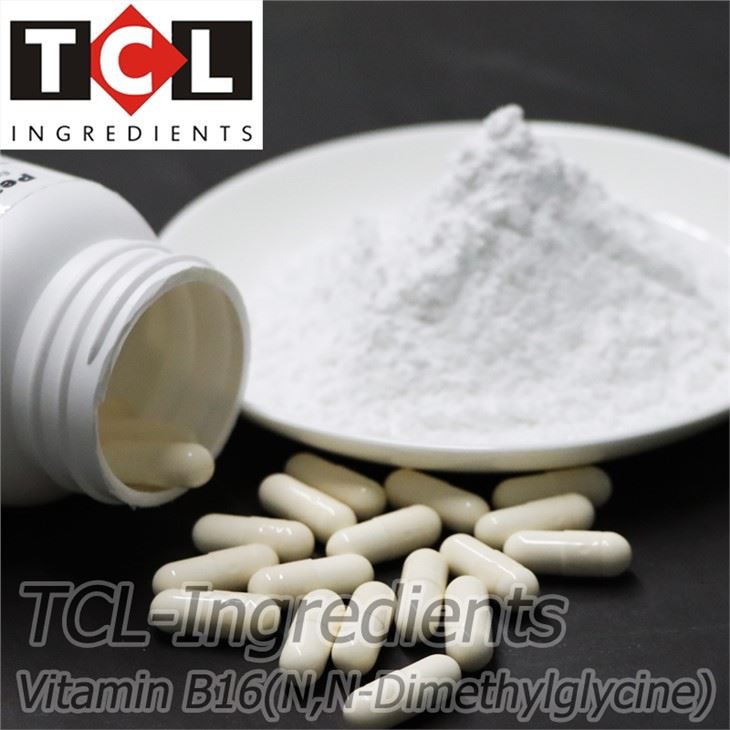
Vit b16, also known as N,N-Dimethylglycine, dimethylamino acetic acid, N-methylsarcosine or DMG, is more of a dietary supplement than a vitamin. Vit b16 can improve body immunity, promote the metabolism of the body It can effectively improve the body resistance but avoid the situation of declining physical quality. It is also used to lower blood cholesterol and triglycerides and help bring blood pressure and blood sugar into the normal range.

Pure lycopene is widely found in tomatoes, tomato products and fruits such as watermelon and grapefruit, and is also one of the common carotenoids. Pure lycopene powder can deeply remove vascular waste, regulate plasma cholesterol concentration, repair and perfect oxidized cells, promote intercellular glial formation, and enhance vascular flexibility.

Organic glutathione powder not only is used as medicine, but also as the base material of functional food, which is widely used in delaying aging, enhancing immunity, anti-tumor and other functional food. It has an integrated detoxification effect. It is also widely used in clinical applications, including hepatitis, hemolytic diseases, keratitis, cataracts and retinal diseases, in addition to the use of its sulfhydryl group to chelate heavy metals and fluoride poisoning.
Introduction to Tasteless Vitamin C Powder
Tasteless vitamin C powder is kind of white powder which is a highly concentrated, bio available formulation of vitamin C, perfect for the immune health. Vitamin C is also known as a polyhydroxy compound with the chemical formula C6H8O6. The structure is similar to glucose, and the two adjacent enol hydroxyl groups on the 2nd and 3rd positions in the molecule are easily dissociated to release H+, so it has the property of acid, also known as L-ascorbic acid.
Manufacturing Process of Tasteless Vitamin C Powder
Raw Material Preparation
The first step in tasteless vitamin C powder manufacturing is preparing the raw materials. It can involve harvesting the natural source of the vitamin, such as fruits and vegetables, or synthesizing the vitamin through chemical processes. The raw materials are cleaned, dried, and milled into a fine powder.
Extraction Or Synthesis
The next step is the extraction or synthesis of the vitamin C. If the vitamin is obtained from a natural source, it may be extracted using solvents, filtration, or other methods. If the vitamin is synthesized, it may be produced through chemical reactions using specialized equipment and reagents.
Purification
After the vitamin C is extracted or synthesized, it must be purified to remove impurities and other unwanted substances. It can involve filtration, centrifugation, or chromatography. Chromatography is a particularly important purification method, as it allows for separating individual components in the vitamin mixture.
Quality Control
Quality control measures are employed throughout the manufacturing process to ensure that the final product is safe, effective, and consistent. It can involve testing the raw materials and finished products for purity, potency, and contamination. Regular inspections by regulatory agencies such as the FDA are also used to verify compliance with quality control standards.
Packaging And Labeling
Once the final product is formulated and tested, it is packaged into its final forms, such as a bottle, blister pack, or sachet. The product is then labeled with information about its contents, dosage, and recommended usage.
Benefits of Tasteless Vitamin C Powder
Improves Skin Health
Some of the hallmark signs of a vitamin C deficiency are delayed wound healing and fragile skin. The main reason that vitamin C is so critical for skin health is because of its relationship to collagen. Collagen is a key component of connective tissue, and vitamin C is necessary for collagen formation. So, when you don't consume enough vitamin C, collagen deteriorates which leaves your skin in bad shape. Vitamin C also works with vitamin E, another antioxidant, to prevent damage to your skin from harmful UV rays.
Boosts Immunity
Tasteless vitamin C powder's role in skin health also has immune benefits, as the skin is one of our body's defense systems against pathogens. However, it doesn't end there. Tasteless vitamin C powder also plays a role in both innate and adaptive immunity, our bodies' first response and targeted response to specific pathogens, respectively.Vitamin C's antioxidant properties prevent oxidative damage to healthy cells.
May Reduce Risk for Cardiovascular Disease
Since oxidative damage-what occurs in your body when there are too many unstable molecules called free radicals in the body and not enough antioxidants to get rid of them-is thought to be a cause of cardiovascular disease, antioxidants like tasteless vitamin C powder may help reduce risk of cardiovascular disease.
Helps Absorb Nonheme Iron
Tasteless vitamin C powder plays an important role in enhancing absorption of nonheme iron, the kind that comes from plant foods. If you're at risk of iron deficiency, especially if you eat a plant-based diet, taking tasteless vitamin C powder could help you better absorb the iron in foods like beans, seeds, and nuts.
How To Take Tasteless Vitamin C Powder
Choose a High-Quality Tasteless Vitamin C Powder
Look for a reputable brand that provides high-quality tasteless vitamin C powder. Ensure that the product is properly labeled, has not expired, and meets any specific dietary requirements or restrictions you may have.
Determine the Appropriate Dosage
The recommended daily allowance (RDA) of vitamin C varies depending on factors such as age, sex, and overall health. For most adults, the RDA ranges from 75 to 120 milligrams (mg) per day. However, in certain cases, such as during illness or pregnancy, higher doses may be recommended. It's important to consult with a healthcare professional to determine the appropriate dosage for your specific needs.
Measure the Correct Amount
Use a clean measuring spoon or a digital scale to measure the correct amount of tasteless vitamin C powder. The packaging should provide clear instructions on the equivalent dosage for each scoop or spoonful.
Mix with Water or Beverage
Dissolve the measured amount of tasteless vitamin C powder in a glass of water or your preferred beverage. Stir well until the powder is completely dissolved. You may also mix it with juice or add it to smoothies for a more pleasant taste.
Timing of Consumption
Tasteless vitamin C powder can be taken with or without food, as it is generally well-tolerated. However, some people may experience mild stomach discomfort when taking it on an empty stomach. If this occurs, you can take it with a meal to minimize any potential digestive issues.
Consistency and Regularity
To maximize the benefits of vitamin C, it's important to take it consistently and regularly as recommended by your healthcare professional. Vitamin C is a water-soluble vitamin, which means that any excess amount that your body doesn't need will be excreted through urine. Therefore, consistent daily intake is necessary to maintain adequate levels.
Follow Recommendations and Precautions
It's essential to follow the dosage recommendations provided by your healthcare professional. Excessive intake of vitamin C can lead to adverse effects such as digestive upset, diarrhea, or kidney stones in rare cases. Additionally, if you have any underlying medical conditions or are taking medications, it's crucial to consult with your healthcare provider before starting any new supplements, including vitamin C.
FAQ
Q: Is Vitamin C supplement suitable for everyone?
Undergoing cancer treatment: Vitamin C supplements can interact with some cancer therapies.
Chronic kidney disease: Vitamin C can increase oxalate formation and lead to kidney failure.
G6PD: Large amounts of vitamin C (administered intravenously) have caused hemolysis (the breakdown of red blood cells) in people with a metabolic disorder called glucose-6-phosphate dehydrogenase (or G6PD). However, this is uncommon.
Iron overload: Vitamin C supplementation can exacerbate symptoms since it has a role in iron absorption.
Q: What is vitamin C's role in the body?
Q: Is vitamin C supplements effective for cancer treatment?
In addition, there is no evidence that taking large doses of vitamin C once diagnosed with cancer will help your treatment. In fact, some doctors are concerned that large doses of antioxidants from supplements could interfere with chemotherapy medications. More research is needed. If you are undergoing chemotherapy, talk to your doctor before taking vitamin C or any supplement.
Q: Which drugs may interact with vitamin C?
Vitamin C can also increase the absorption of certain drugs, such as:
Aluminum from antacids: Do not take vitamin C and antacids at the same time. Wait at least two hours after taking vitamin C before taking an antacid. Wait four hours after taking an antacid to take vitamin C.
Levothyroxine, a thyroid hormone treatment.
Vitamin C supplementation can make some medications less effective, including:
The antipsychotic drug fluphenazine.
Certain HIV medications, such as indinavir.
Certain chemotherapy drugs.
This is not a complete list of interactions that may occur with vitamin C. Talk to your healthcare provider and pharmacist before starting vitamin C supplementation or adjusting your intake and let them know about everything you're taking; this includes prescription and over-the-counter drugs, vitamins, and herbal supplements.
Q: Is vitamin C safe?
Some studies have suggested that excess intake of vitamin C could contribute to other health issues like increased risk for cardiovascular disease mortality, excess iron absorption, increased oxidative damage, and higher risk of kidney stones; however, these studies were mostly inconclusive or done in vitro–on test tubes–rather than on actual people. For iron absorption, the issue was only seen in those with hereditary hemochromatosis.
If you are undergoing chemotherapy or radiation treatment or taking statins, it's recommended you check with a healthcare provider before taking a vitamin C supplement.
Q: How much vitamin C is too much?
The upper limit for vitamin C intake in people aged 19 years and over is 2,000 mg in males and females. The limit remains the same for pregnant or breastfeeding women.
The upper daily vitamin C levels for children and infants are as follows:
400 mg for infants aged 1–3 years.
650 mg for children aged 4–8 years.
1,200 mg for children aged 9–13 years.
1,800 mg for teenagers aged 14–18 years.
1,800 mg in pregnant or breastfeeding teenagers aged 14–18 years.
There are exceptions to these limits, which only apply if a person's doctor has not specified a different intake. Some people may have to take larger amounts of vitamin C for medical treatments.
Q: What are the benefits of vitamin C for skin?
It helps protect the skin from the sun: As an antioxidant, vitamin C has been proven to work as a protectant against sun damage. Combined with your daily SPF, it's a great way to reduce and help prevent damage caused by UV rays. Additional sun protection may result from combining vitamin C with other ingredients like ferulic acid and vitamin E.
It's anti-aging: Vitamin C helps increase collagen production and this may improve the appearance of fine lines and wrinkles.
It fades hyperpigmentation: Vitamin C helps fade hyperpigmentation by inhibiting melanin production. This can help brighten your skin.
It improves acne: Vitamin C's anti-inflammatory properties may help improve acne.
Q: What are the side effects of vitamin C?
Potential side effects include:
Diarrhea.
Nausea.
Abdominal cramps.
Kidney stones.
Other gastrointestinal disturbances.
Q: How to apply vitamin C powder to your face?
Here's how you can apply powdered vitamin C to your face:
Add a small amount of powder to the palm of your hand. The package will likely give you specific instructions on how much to use.
Mix the vitamin C powder with a serum or lotion in the palm of your hand. ResearchTrusted Source has found that for vitamin C to be beneficial, it needs to make up at least 8 percent of the solution. A concentration higher than 20 percent may cause skin irritation.
Apply the solution either to your entire face or as a spot treatment.
As with any skin care product, it's a good idea to test a small amount of powdered vitamin C on a small section of your skin in a less-visible spot 24 hours before applying it to your whole face. This way you can see if you're allergic to it.
Q: How does Vitamin C help immune system function?
Vitamin C also plays an essential role in the maintenance of the body's collagen network. As a structural protein, collagen helps make up our framework of cells and tissues. It's important for immune function in that it strengthens the gut lining and digestive system, where 70-80% of your immune cells live.
Vitamin C's relationship to collagen extends to the support of wound healing. People who have a Vitamin C deficiency might notice wounds being slower to heal, since their bodies are less ready to produce the collagen that plays a critical role in all phases of wound repair, from platelet activation to tissue remodeling.
Hot Tags: tasteless vitamin c powder, China, suppliers, manufacturers, factory, wholesale, price, distributor, dealer, beneficial, bulk
You Might Also Like